iMS Technologies Launches The Oldham Trading Platform Pioneering Smart Towns and Cities Across the UK
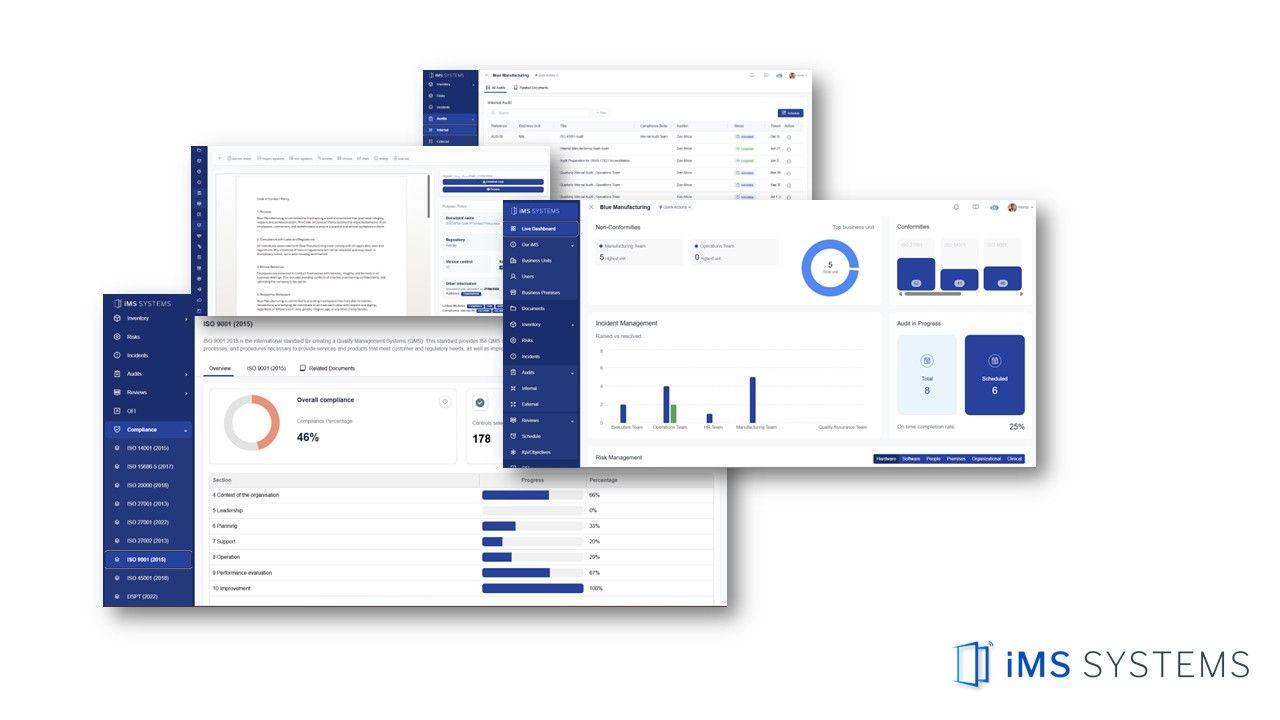
iMS Technologies, alongside its dedicated team and partners, proudly unveils the Oldham Trading Platform, a transformative initiative designed to foster economic growth, collaboration, and innovation. By keeping the pound local and prioritising sustainability, this platform sets a benchmark for the future of smart towns and cities across the United Kingdom.
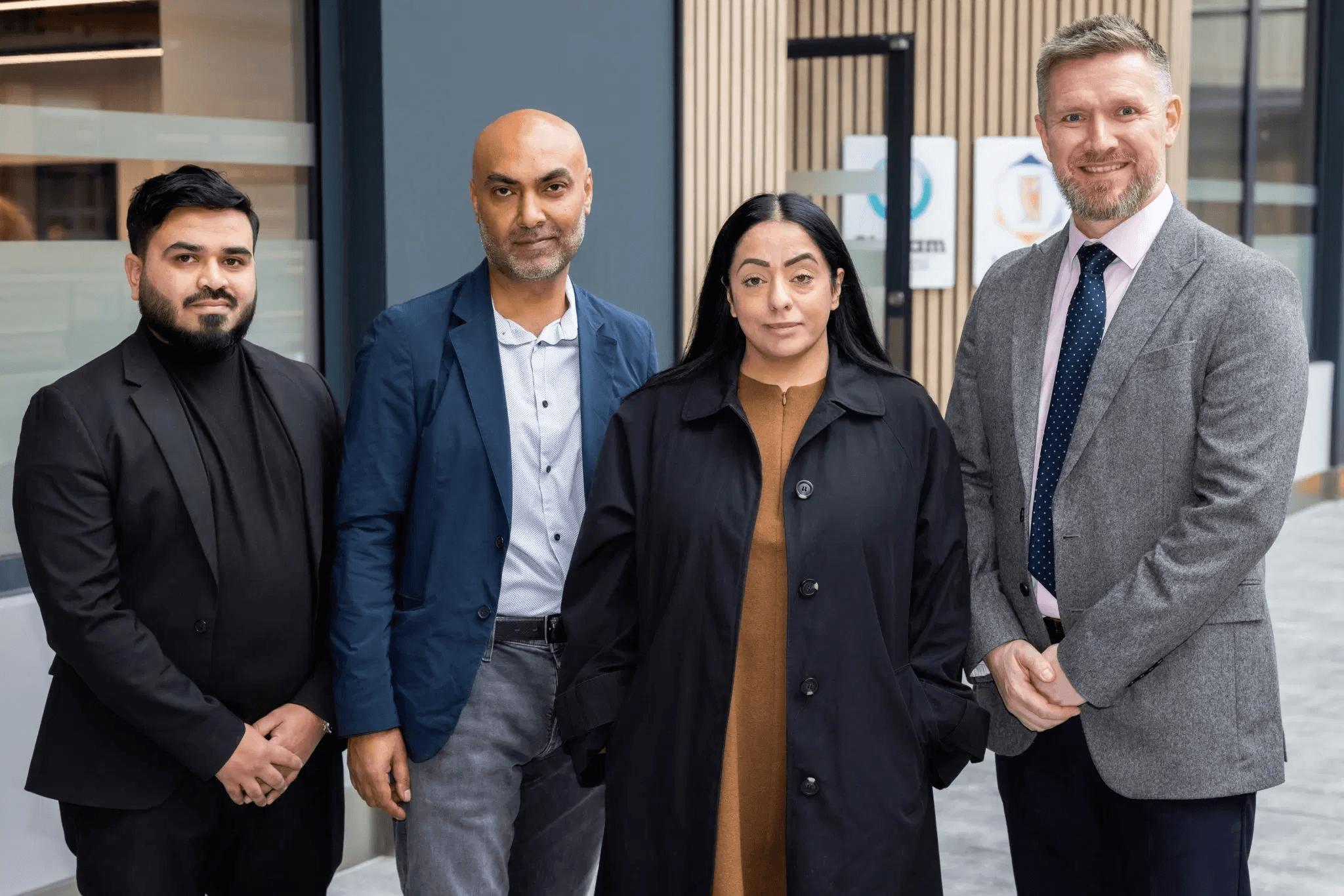
Left to right: Nuraz Zamal - CEO iMS Technologies, Anwar Ali - Co-Founder Upturn Enterprise, Arooj Shah – Oldham Council Leader, Simon Jordan – Principal & CEO Oldham Collage
Commenting on this groundbreaking milestone, Nuraz Zamal CEO of iMS Technologies, shared,

I am immensely proud of our team and partners for bringing the Oldham Trading Platform to market. This transformative initiative is a significant step forward in boosting the local economy, enhancing collaboration, and driving innovation through digital technology. We are certainly paving the way for a more sustainable, smart town with economic growth at its core. By being the first to bring this concept to the UK, we are laying the foundation for a future where sustainability and economic development go hand in hand. The impact of this initiative and the lasting foundations it will create make this achievement truly remarkable.
Nuraz Zamal
CEO of iMS Technologies
Councilor Arooj Shah , Leader of Oldham Council Added,

This is a great opportunity for Oldham businesses to work together and support each other. By keeping trade local, we can help our economy grow, create more jobs, and make it easier for businesses to find the services they need right on their doorstep.
Arooj Shah
Councilor, Leader of Oldham Council
The Oldham Trading Platform is more than just a technological advancement; it embodies a vision for towns and cities that champion sustainability while embracing economic prosperity. By connecting businesses and organisations through this innovative platform, iMS Technologies hopes to inspire similar initiatives across the UK, positioning Oldham as a leader in smart town development.